

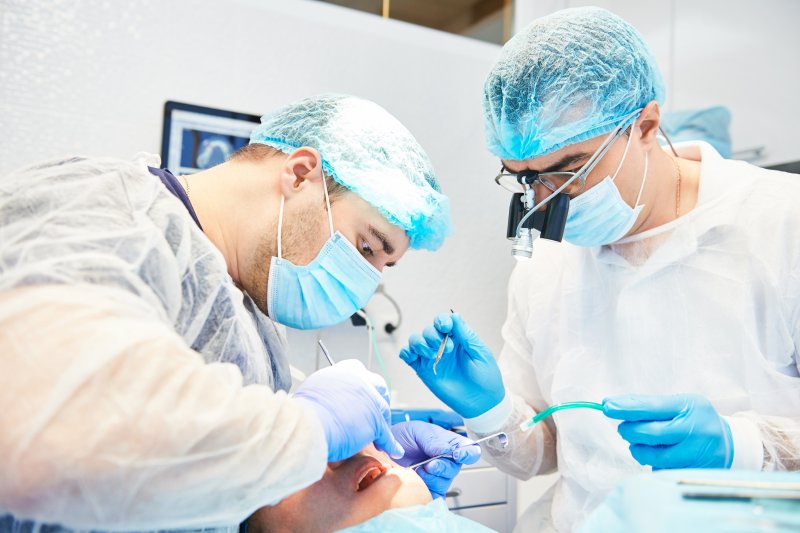
Implant dentistry has evolved, resulting in higher success rates among individuals experiencing tooth loss. Dental technology has also changed in recent decades, offering specialists new ways to generate more accurate and longer-lasting results. This is evident with the development of guided dental implant surgery. While many experts still use the freehand method to place these prosthetics, it’s time to learn which one produces better results.
Freehand vs. Guided Implant Surgery: What is the Difference?
Dental implants have been changing lives for decades. Dentists and oral surgeons have relied on the same freehand method to position these prosthetics for optimal support and stability.
However, as the years have passed, technological advancements have made it possible for specialists to incorporate a more innovative solution – implant surgical guides.
What is the difference between these two methods?
Freehand Dental Implant Surgery
It is important to remember that anyone placing dental implants must have the proper training and experience to ensure safe, accurate results.
With the freehand approach, dentists or specialists must have optimal clinical judgment when determining where to position each implant. Using advanced digital imaging to prepare a treatment plan, they must be able to analyze the data and make appropriate calculations regarding depth of placement and the size of the implant.
What makes it a less desirable option is the potential risk of complications concerning the placement of the implants, as it is possible that a nerve could be damaged in the process.
Guided Dental Implant Surgery
With guided dental implant surgery, improved accuracy and precision are the focus. Using 3D imaging for easy viewing, 3D printed surgical guides, and X-Nav technology, your oral surgeon can provide greater predictability and safety when rebuilding your smile.
Not only is the potential for errors significantly reduced, but the digital planning of your surgery also lowers your risk of experiencing any nerve damage. It also shortens the procedure time. As a result, you can expect your recovery to be more comfortable.
Which Method is Best?
Patients who have undergone freehand and guided dental implant surgery have both experienced optimal results; however, there is no denying that the latter, more advanced method is highly preferred.
The level of precision, reduced surgical time, accurate implant placement, and faster healing make guided implant surgery a safe and successful way to achieve a complete, fully restored smile.
About the Author
Dr. Hasnain Shinwari is a board-certified oral surgeon with over 15 years of experience who delivers care that is second to none. Completing his dental education in Pakistan, he received additional training in oral and maxillofacial surgery at Boston University. He offers guided dental implant surgery using the latest technology and advanced techniques, including 3D printed surgical guides and X-Nav technology to ensure successful results for those suffering from tooth loss.
If you are without one or more teeth, do not hesitate to contact us at (703) 574-4717 to schedule an appointment.